Pixelating Screen

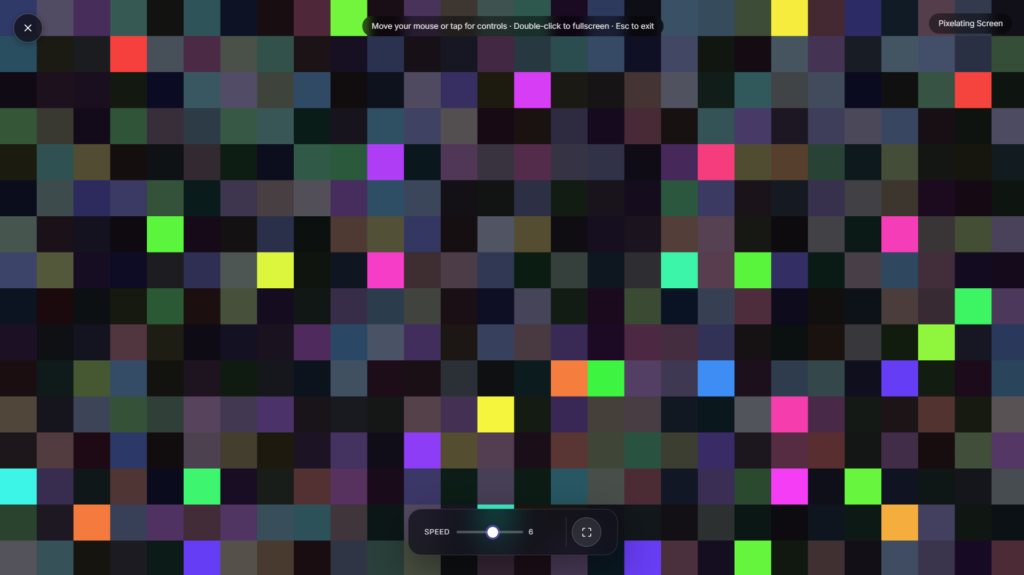
A pixel background fills your screen with the blocky, low resolution charm of early video games, chunky squares standing in for smooth curves, the same visual language that defined gaming for nearly two decades before graphics caught up to imagination.
Where the Pixel Look Actually Comes From
The word pixel itself is a blend of “picture” and “element,” the smallest single unit a digital display can show. Early game consoles and computers, working with a tiny fraction of the processing power and memory available today, had no choice but to render everything from just a handful of large, visible squares, what we now call pixel art. That hardware limitation became a genuine art style in its own right, one that outlived the technical constraints that originally forced it and is still deliberately chosen today for its own aesthetic, not just out of nostalgia.
Why Pixel Background Feels Nostalgic Rather Than Dated
Limited color palettes and visible square edges were once a technical ceiling, consoles like the NES and Game Boy could only display a small number of colors on screen at once, forcing artists to get creative within a narrow set of constraints, often using clever tricks like dithering to imply more colors or detail than the hardware actually allowed. Today those same constraints read as a deliberate style choice rather than a limitation, which is part of why pixel art has held up so well decades later, it looks intentional rather than simply old.
Common Ways People Use a Pixel Background
A pixel background works well as a nostalgic desktop wallpaper, a retro-themed stream backdrop, or just a fun visual shift from the sharp, high-resolution graphics most screens default to today. It also fits naturally alongside anything with a retro gaming or 80s computing theme, a stream, a party, or just a personal setup leaning into that aesthetic. If a moving retro grid feels closer to what you want instead of static pixel blocks, Neon Grid leans into that direction. For a different kind of retro-tech reference entirely, Matrix Rain is worth a look too.
More Prank Screens

Hacker Typer
Fake code, type on your keyboard
Radar Screen
Sweeping sci-fi radar
Critical Error Screen
Retro full-screen crash prank
Signal Glitch
RGB-split video tearing, like a dying signal
Liquid Damage
Broken LCD with RGB sub-pixel bars and a torn peeling corner